Heterologias
sexta-feira, maio 22, 2009
What if you go / What if you stay
João Bénard da Costa (1935-2009), Johnny Guitar (1954), folha da Cinemateca para as sessões de 18 e de 19 de Julho de 1985.
(Johnny G. para o Johnny B.)
Etiquetas: Cinema

quarta-feira, janeiro 07, 2009
Metropolis
 King Champ Gillette (1855-1932), World Corporation, Boston, New England News Company, 1910: "Man Corporate"
Under a perfect economical system of production and distribution, and a system combining the greatest elements of progress, there can be only one city on a continent, and possibly only one in the world. There would be outlying groups of buildings in different sections of the country for the accommodation of those who were, for limited periods, in the field of labor, and also others that would be occupied as resorts of pleasure in season; but the great and only "Metropolis" would be the home of the people. Having this idea in view, the location of the great city requires thoughtful and careful consideration, it being, in fact, the heart of a vast machine, to which over the thousands of miles of arteries of steel the raw material of production would find its way, there to be transformed in the mammoth mills and workshops into the lifegiving elements that would sustain and electrify the mighty brain of the whole, which would be the combined intelligence of the entire population working in unison, but each and every individual working in his own channel of inclination.
For many reasons I have come to the conclusion that there is no spot on the American continent, or possibly in the world. that combines so many natural advantages as that section of our country lying in the vicinity of the Niagara Falls, extending east into New York State and west into Ontario. The possibility of utilizing the enormous natural power resulting from the fall, from the level of Lake Erie to the level of Lake Ontario, some 330 feet is no longer the dream of enthusiasts, but is a demonstrated fact. Here is a power, which, if brought under control, is capable of keeping in continuous operation even manufacturing industry for centuries to come, and, in addition supply all the lighting;, facilities, run all the elevators, and furnish the power necessary for the transportation system of the great central city....
The manufacturing industries of "Metropolis" would be located east and west of Niagara River in Ontario and New York. The residence portion of the city would commence about ten miles east of Niagara River and Buffalo; and from this point to its eastern extremity, which would include the present city of Rochester in its eastern border, the city would be sixty miles long east and west, and thirty miles in width north and south, lying parallel with Lake Ontario, and about five miles from it.
King Champ Gillette, The Human Drift, Boston, New Era Publishing Co., 1894. Reprint: Delmar, N.Y., Scholars' Facsimiles & Reprints, Inc., 1976, pp. 88-112.
Etiquetas: capitalism, Cinema, Economics, Gillette, Politics, Utopia
terça-feira, abril 08, 2008
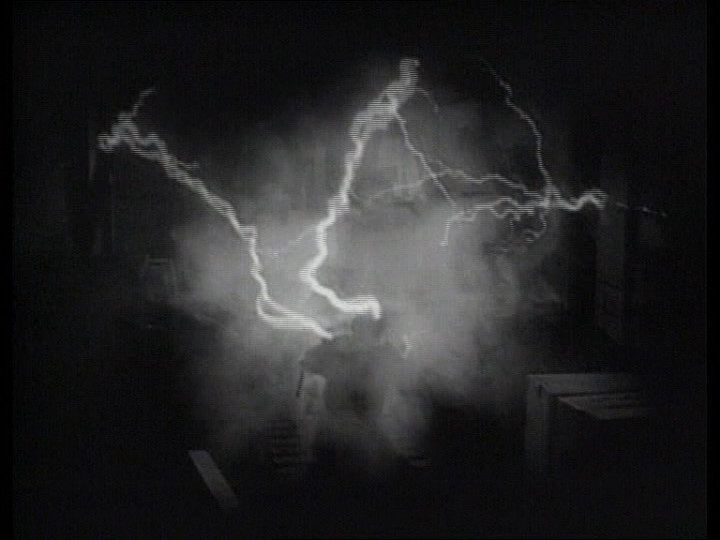
Quase, quase...
sábado, abril 05, 2008
...e vem para aqui...

sexta-feira, abril 04, 2008
Continua a avançar...

quarta-feira, abril 02, 2008
Ele está a chegar...

sexta-feira, outubro 12, 2007
The beauty of our weapons
658
00:49:28,507 --> 00:49:30,873
- No haremos planes de fuga.
- øPor quÈ no?
659
00:49:30,943 --> 00:49:34,640
Porque cada nueva persona
que involucramos en esto es un riesgo m·s.
660
00:49:34,813 --> 00:49:37,748
Para salvarnos,
confiemos en que el plan tendr· Èxito.
661
00:49:37,816 --> 00:49:40,785
Pero aunque la bomba tenga Èxito,
existe la posibilidad...
662
00:49:40,852 --> 00:49:45,186
de que el pueblo se vuelva contra nosotros.
Que nos considere asesinos.
663
00:49:45,257 --> 00:49:48,488
Quiz·s la gente se escandalice tanto
que pierda el discernimiento.
664
00:49:48,560 --> 00:49:52,963
Hace unos dÌas, Miguel, te negaste a apostar
sobre la excavaciÛn porque dijiste...
665
00:49:53,265 --> 00:49:57,599
que era inmoral especular
con algo relacionado con los asesinatos.
666
00:49:57,736 --> 00:50:00,933
Bien, no especulemos
con el discernimiento del pueblo.
667
00:50:01,807 --> 00:50:03,604
Eso es m·s inmoral todavÌa.
668
00:50:04,209 --> 00:50:07,406
Huir sÌ serÌa una verg¸enza.
669
00:50:08,280 --> 00:50:10,908
No tenemos derecho
a hacer lo que hacemos...
670
00:50:10,983 --> 00:50:13,315
si no estamos dispuestos
a responder con la vida.
John Huston (1906-1987), We Were Strangers (1949)
LINHA ALERTA INTERNETA SEGURA: chamem a polícia
Etiquetas: Canadá, caralho, Cinema, Democracy, Disobedience, Film, foda-se caralho, José Sócrates, politically correct, Politics, War on terror
quinta-feira, outubro 11, 2007
"Thou shall not be afraid for the terror by night"

Murder, mayhem, violence, sex, beautifully, pictorially expressed, lovely costumes, perfect cutting and... a joke or two
Alfred Hitchcock
LINHA ALERTA INTERNETA SEGURA: chamem a polícia
Etiquetas: caralho, Cinema, Crime, Death, Disobedience, Film, foda-se caralho, Hitchcock, José Sócrates, politically correct, Predation, serial killers, Sexuality
segunda-feira, outubro 01, 2007
A pequenina e os pepinos / Tender Pussy / Ratitas Chiquititas

Wee Willie Winkie
The owners of a child star are like leaseholders - their property diminishes in value every year. Time's chariot is at their back; before them acres of anonymity. What is Jackie Coogan now but a matrimonialsquabble? Miss Shirley Temple's case, though, has peculiar interest: infancy is her disguise, her appeal is more secret and more adult. Already two years ago she was a fancy little piece (real childhood, I think, went out after "The Littlest Rebel"). In "Captain January" she wore trousers with the mature suggestiveness of a Dietrich: her neat and well-developed rump twisted in the tap-dance; her eyes had a sidelong searching coquetry. Now in "Wee Willie Winkie," wearing short kilts, she is completely totsy. Watch her swaggering stride across the Indian barrack-square; hear the gasp of excited expectation from her antique audience when the sergeant's palm is raised; watch the way she measures a man with agile studio eyes, with dimpled depravity. Adult emotions of love and grief glissade across the mask of childhood, a childhood skin-deep. It is clever, but it cannot last. Her admirers - middle-aged men and clergymen - respond to her dubious coquetry, to the sight of her well-shaped and desirable little body, packed with enormous vitality, only because the safety curtain of story and dialogue drops between their intelligence and their desire. 'Why are you making Mummy cry?' - what could be purer than that? And the scene when dressed in a white nightdress she begs grandpa to take Mummy to a dance - what could be more virginal? On those lines her new picture, made by John Ford, who directed "The Informer," is horrifyingly competent. It isn't hard to stay to the last prattle and the last sob. The story - about an Afghan robber converted by "Wee Willie Winkie" to the British Raj - is a long way after Kipling. But we needn't be sour about that. Both stories are awful, but on the whole Hollywood's is the better.
Graham Greene (1904-1991), "Wee Willie Winkie", Night and Day, 28 October 1937

Cartaz para Wee Willie Winkie (1937), de John Ford
LINHA ALERTA INTERNETA SEGURA: chamem a polícia
Etiquetas: Cinema, Disobedience, Dodgson, foda-se caralho, Graham Green, John Ford, José Sócrates, Literature, Mass Media, pedophilia, politically correct, Sexuality, Shirley Temple
terça-feira, julho 31, 2007
A Desaparecida - The Lady Vanishes - The Searchers


segunda-feira, julho 30, 2007
Sommarlek
 O tempo, o envelhecimento e a morte. Não é uma história a dois, mas a história da protagonista, a bailarina, irredutivelmente pessoal como um ajuste de contas. Ele, o primeiro namorado, é o Amor e a Juventude - perdidos. É a história de uma aprendizagem. Aprender o tempo, o envelhecimento e a morte. Aprender a vida. A vida é isso tudo e é passageira e frágil e ridícula - é preciso conseguir retirar de lá (construi-la a partir dela e construi-la nela) a felicidade. A bailarina é feliz, descobre ela no fim. Não apesar de tudo, mas feliz apenas - com o amor e a juventude perdidos, o novo namorado impossivelmente o outro, o da juventude, o da Idade de Ouro. Com o fim da carreira e a decadência. É feliz, descobre.
O ballet é efémero como a Vida - efémero e frágil. O namorado perdido é o Amor e a Juventude. O tio é o Tempo. A velha senhora (a avó dele?) é a Morte - di-lo o padre, que com ela joga xadrez. (Com a morte, Ingmar Bergman joga sempre xadrez.) A Vida entre o Tempo, que desespera, corrompe e faz esquecer, e a Morte - que espera.
Como a juventude, o Verão passa, ameaçado, sempre, pelo seu fim. Um Verão de barcos, foguetes e festas nos embarcadouros. E a luz a reflectir-se na água. O primeiro namorado teve a morte como um pressentimento a pairar e nela mergulhará, como esses gregos de Posidonia (a Paestum latina) que se lançam nus no vazio.
Depois do Verão, agarrar o que resta, o possível depois do sublime e da totalidade - como o Inferno partilhado, melhor do que a solidão, numa fala de (tanto quanto me lembro) A Sede / Törst (1949).
Robert Moskowitz, Diver, 2002, oil on canvas, at Lawrence Markey, New York
Etiquetas: 1950, Cinema, Cinema Death, Death, Ingmar Bergman, Robert Moskowitz, Sommarlek, Suécia, Verão de Amor (Um)
quinta-feira, abril 26, 2007
"Não ceder nem um pintelho" *

Agora e na hora do antifascismo, resta-me desejar a todos os meus ilustres camaradas-pavões de ofício cinematográfico, de quem sempre disse horrores, não por empenho missionário mas por mero desabafo de rotina, que consigam, com a queda do miserável regime que os vitimou, expulsar a profunda imbecilidade dos filmes que fizeram e reencontrar, enfim, aquilo que, durante a asfixiante opressão, nunca deram mostras de possuir: dois dedos de imaginação, uma pitada de inteligência, um nadinha de subtileza e delírio, uma nesga de rigor poético.
(...) É preciso afiar, quanto antes, o dente cinematográfico para que o cinema seja capaz de triturar, digerir e cagar realidade. Só assim poderá ter uma função transformadora. Se o cinema não correr mais veloz que a realidade, corre o risco de a subjugar como um pálido reflexo. Estou profundamente convencido que, infelizmente, esse cinema neoparasitário será o cinema dominante na sociedade portuguesa como, aliás, sempre foi, aqui e em toda a parte.
O meu drama é que fui dado como incapaz para todo o serviço militar e não sei muito bem se, disciplinadamente, me devo colocar atrás ou à frente dos canhões. Uns tipos da política já me explicaram que é consoante: sempre atrás, na Metrópole, sempre à frente, nas colónias. Pelo sim, pelo não, acho que vou ficar agachado, que é como sempre estive e hei-de estar. A única diferença é que agora conheço (mal) uns tipos que já se desmarcaram para postos de comando e que, curiosamente, já me pareciam um tanto bichosos e bem nutridos, no regime anterior. Terei de cortar rapidamente relações com essa gentalha que, em moldes mais perigosos e delicados, se prepara para continuar a sugar as desgraçadas peles dos famélicos deste país. Acredito piamente na dialéctica da devoração e na impossibilidade de se construir um país habitável, enquanto houver quem coma e quem é comido.
João César Monteiro, "O Pequeno Papelinho que (...)", O Cinéfilo, nº 33, 25 de Maio de 1974. Republicado no catálogo João César Monteiro, s.l., Cinemateca Portuguesa, s.d. [2005], pp. 514-515
* Entrevista aos Cahiers du Cinéma, nº 541, Dezembro de 1999. Traduzida e republicada em João César Monteiro, s.l., Cinemateca Portuguesa, s.d. [2005], pp. 436-446
Etiquetas: 25th April, Aliment, Cinema, Dialectics, Film, João César Monteiro, Predation, Scatology
quinta-feira, abril 12, 2007
Champ / Contrechamp

PL - Mais c'est quoi, le contrechamp ?
JLG - Le contrechamp de la maladie, pour les médecins, c'est le médicament. Pour moi, c'est une tendance, puis une tendance contradictoire. Mais dans contradiction, les gens n'entendent qu'un mot, et non pas deux : contre-diction. Il y a trente ans, je me suis mis au tennis parce qu'on me renvoyait la balle. Je ne joue plus.
PL - Vous voyez des médecins ?
JLG - Quand je vois deux médecins, j'essaie de les faire se confronter face à la maladie, pour qu'il y ait retour, mais c'est impossible.
PL - Comme dans Molière ?
JLG - Pire que dans Molière. Ils ne se rencontrent même pas. C'est comme faire parler Luther et Calvin.
Entretien de Godard avec Philippe Lançon, quatre heures est une discussion à bâtons rompus et une visite de l'exposition débutée le 10 mai 2006. Libération, Mercredi 12 juillet 2006
Etiquetas: Cinema, Dialectics, Disease, Film, Godard, Medicine, tennis
segunda-feira, março 19, 2007
Le terroriste c'est moi

publique et privée
à la recherche
d'un terroriste
le terroriste, c'est moi.
Tant qu'existera le capitalisme impérialiste américain,
nous ne serons jamais assez de terroristes dans le monde.»

Etiquetas: Cinema, Death, Huillet Straub, Sicilia, Venezia, War on terror
Archives
03/07 04/07 05/07 07/07 09/07 10/07 12/07 01/08 02/08 03/08 04/08 10/08 11/08 12/08 01/09 02/09 03/09 05/09 07/09 10/09 02/10 04/10 05/10 06/10 02/11 04/11 05/11 06/11 11/11 02/12 09/12 03/13 04/13 03/14

